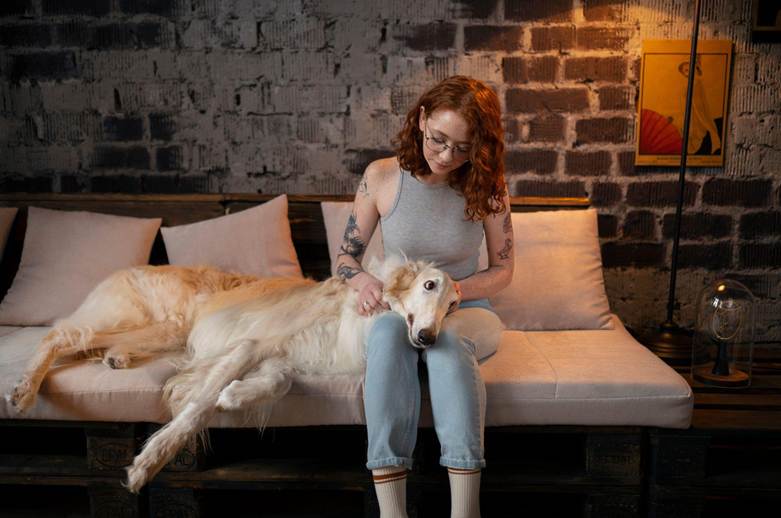
For many dog owners, one of the most frustrating training experiences happens outside the house. In behavioral discussions surrounding this pattern, Marissa Corbett has often emphasized that obedience at home does not automatically translate into confidence or responsiveness in unpredictable environments
This disconnect is more common than many owners realize.
Dogs do not naturally generalize behavior the same way humans do. A command learned inside a quiet home environment may feel completely different when layered with outdoor distractions, unfamiliar smells, movement, noise, excitement, or social stimulation.
In many cases, the issue is not stubbornness. It is environmental overload.
Dogs Associate Behavior With Specific Environments
One of the biggest misconceptions in dog training is the belief that once a dog learns a command, the lesson is permanently understood everywhere.
In reality, dogs often associate behavior with the exact environment where it was practiced.
A dog may fully understand “sit” inside the kitchen, but struggle to process the same cue at:
- Busy parks
- Outdoor cafés
- Sidewalks with traffic
- Pet stores
- Dog-friendly events
- Neighborhood walks
This happens because new environments introduce competing stimuli that can overpower concentration.
Smells, sounds, movement, and unpredictability all compete for a dog’s attention simultaneously. For some dogs, especially younger or high-energy breeds, the outside world can feel mentally overwhelming.
Home Environments Feel Predictable and Safe
Inside the home, dogs operate within familiar patterns.
They know:
- The layout of the space
- Household sounds
- Daily routines
- Where people typically move
- What behavior usually earns rewards
That predictability lowers stress and makes focus easier.
Outside environments are different because they constantly change. Even a simple walk introduces unpredictable variables that dogs cannot fully anticipate.
These can include:
- Passing bicycles
- New dogs
- Children running
- Loud vehicles
- Sudden noises
- Unfamiliar people
- Wildlife scents
When overstimulation increases, a dog’s ability to respond calmly often decreases.
This is especially noticeable in dogs that have only practiced obedience in low-distraction settings.
Training Success Depends on Gradual Exposure
One reason some dogs struggle outside the home is that environmental difficulty increases too quickly.
Owners sometimes expect dogs to transition directly from indoor obedience to highly stimulating public spaces without intermediate steps.
Behavioral progress tends to happen more effectively through gradual exposure.
For example:
- First practicing commands indoors
- Then moving to quiet outdoor areas
- Then introducing mild distractions
- Then progressing into busier environments
This gradual process helps dogs build confidence without becoming mentally overloaded.
It also teaches dogs how to stay engaged with owners even when distractions are present.
Excitement and Anxiety Can Look Similar
Many owners interpret outdoor behavioral struggles as excitement alone, but anxiety and overstimulation frequently play a role as well.
Some dogs become hyperactive outside because they are uncertain about how to process unfamiliar environments.
This can appear through behaviors such as:
- Pulling on the leash
- Ignoring commands
- Excessive barking
- Lunging
- Jumping
- Hyper-fixating on distractions
In some cases, these behaviors reflect emotional overload rather than disobedience.
Dogs experiencing overstimulation often struggle to think clearly. The nervous system shifts toward reaction rather than calm decision-making.
Understanding this distinction changes how training should be approached.
Repetition in Different Environments Matters
Reliable behavior is usually built through repetition across multiple settings rather than isolated training sessions.
Dogs benefit from practicing skills in:
- Quiet neighborhoods
- Parking lots
- Side streets
- Parks during low-traffic hours
- Outdoor seating areas
- Controlled social settings
This teaches the dog that commands apply consistently regardless of location.
Training that only happens inside the home can unintentionally create situational obedience rather than adaptable behavior.
The goal is not perfection in every environment immediately. The goal is helping the dog remain emotionally regulated enough to respond consistently over time.
Confidence Plays a Bigger Role Than Many Owners Realize
Some dogs struggle outside because they simply lack environmental confidence.
Confident dogs tend to recover from stimulation more quickly. Nervous or uncertain dogs often become reactive because unfamiliar environments feel unpredictable.
Confidence-building can involve:
- Controlled socialization
- Structured walks
- Exposure to varied surfaces and sounds
- Positive experiences in public spaces
- Calm owner guidance
- Avoiding overwhelming situations too early
Dogs that build environmental confidence gradually often become more responsive because the outside world no longer feels chaotic.
This process takes patience, especially with rescue dogs or naturally cautious temperaments.
Owner Energy Influences Outdoor Behavior
Dogs are highly responsive to emotional cues from their owners. Tension, frustration, nervousness, or inconsistency during walks can increase environmental stress.
Many dogs become more reactive when owners:
- Tighten the leash constantly
- Anticipate bad behavior
- React emotionally to distractions
- Give inconsistent commands
- Rush exposure too quickly
Calm structure tends to create better long-term results than constant correction.
This does not mean ignoring unwanted behavior. Instead, it means creating guidance that feels predictable and stable for the dog.
Dogs often respond more effectively when leadership feels calm rather than emotionally reactive.
Socialization Is About Neutrality, Not Constant Interaction
Another common misunderstanding involves socialization itself.
Many owners assume socialization means allowing dogs to interact constantly with every person or animal encountered outside. In reality, healthy socialization often focuses more on neutrality than nonstop engagement.
A well-socialized dog is usually able to:
- Observe calmly without reacting
- Stay emotionally balanced around stimulation
- Recover quickly from distractions
- Maintain focus despite environmental activity
This type of stability is often more valuable than excessive social interaction.
Overstimulating social experiences too early can sometimes increase reactivity rather than reduce it.
Why Patience Matters More Than Speed
Behavioral consistency outside the home rarely develops overnight.
Public environments introduce layers of complexity that many dogs need time to process gradually. Rushing training progression can create frustration for both the owner and the dog.
Long-term improvement usually depends on:
- Repetition
- Emotional regulation
- Controlled exposure
- Consistency
- Realistic expectations
- Clear communication
Dogs that struggle outdoors are not necessarily poorly trained. In many cases, they are still learning how to navigate stimulation while maintaining focus and confidence.
That distinction matters because it shifts training away from punishment and toward understanding behavioral thresholds more realistically.
As more owners begin recognizing how environment affects canine behavior, training approaches are increasingly moving beyond simple obedience and toward emotional adaptability. In many situations, helping a dog feel stable outside the home becomes just as important as teaching the command itself.