Marissa Corbett
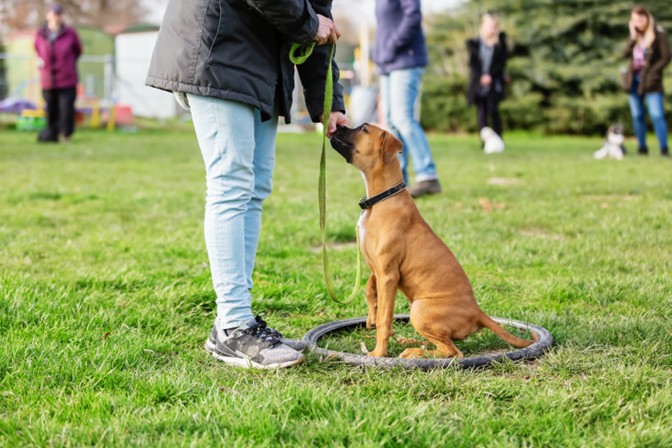
Dog training is often viewed as a process centered entirely on the animal, teaching commands, correcting behaviors, and reinforcing obedience. But the reality is far more nuanced. Behind every well-trained dog is an owner who understands how to communicate clearly, remain consistent, and reinforce positive behaviors in everyday life. Marissa Corbett explores the often-overlooked role of the owner in the training process, highlighting how mindset, habits, and human behavior directly shape a dog’s success.
About Marissa Corbett
Based in Shamong, New Jersey, Marissa Corbett is a dedicated dog training professional driven by a deep commitment to helping dogs develop better behavior while strengthening the bond they share with their owners. Her journey into the field began when she enrolled in a training program alongside her own dog, sparking a passion that quickly grew into a career. After completing the program, Marissa continued her education by working closely with seasoned trainers, gaining hands-on experience and a deeper understanding of canine behavior, training methodologies, and the physical and emotional needs of dogs. She also developed practical strategies to help pet owners consistently reinforce positive habits at home.
Building on this foundation, Marissa Corbett launched Above and Beyond Dog Training, a comprehensive program designed to support dogs and their owners through a variety of services. These offerings include in-depth behavioral assessments, personalized training plans tailored to each dog’s specific challenges and goals, structured curricula rooted in modern training techniques, group sessions, boarding and training options, and foundational puppy programs. At the heart of her work is a clear mission: to help owners foster stronger, more harmonious relationships with their dogs while promoting safety and confidence for both.
Marissa Corbett has become known for her thoughtful, forward-thinking approach that considers the unique needs of each dog and family she works with. As a mother of four and a multi-dog owner herself, she understands firsthand the importance of having well-trained pets and the challenges that can arise without proper guidance. This personal experience fuels her dedication to addressing behavioral issues and equipping owners with the tools they need for long-term success.
The Role of the Owner: Training the Human Behind the Dog
When people think about dog training, they often picture commands, treats, and structured sessions focused entirely on the animal. Sit. Stay. Come. Repeat. But beneath every well-trained dog is something far more influential than any command or tool: a well-informed, consistent, and engaged owner. In reality, effective dog training is not just about teaching dogs how to behave; it’s about teaching humans how to communicate, respond, and lead.
The truth is simple but often overlooked: the success of any training program depends just as much, if not more, on the owner as it does on the dog. Marissa Corbett explains that dogs are constantly learning from their environment, and the owner is the most important part of that environment. Every interaction, every reaction, and every inconsistency sends a message. Understanding this dynamic is what separates short-term obedience from long-term behavioral success.
Mindset: The Foundation of Effective Training
Before a single command is taught, the owner’s mindset sets the tone for everything that follows. Many dog owners begin training with the expectation that their dog needs to be “fixed.” While some behavioral challenges do require structured intervention, approaching training with frustration or impatience can hinder progress from the start.
Dogs are highly perceptive animals. They pick up on energy, tone, and body language far more than the words themselves. An owner who approaches training with calm confidence and clarity creates an environment where a dog feels secure enough to learn. On the other hand, inconsistency, anxiety, or frustration can lead to confusion and, in some cases, reinforce the very behaviors the owner is trying to correct.
Shifting the mindset from control to communication is key. Training is not about dominating a dog or forcing compliance, Marissa Corbett understands that it’s about guiding behavior through clarity, consistency, and trust. Owners who embrace this perspective tend to see more meaningful and lasting results.
Communication: Speaking Your Dog’s Language
One of the biggest gaps in dog training is not the dog’s ability to learn, but the owner’s ability to communicate effectively. Dogs do not understand language the way humans do. They rely on patterns, timing, tone, and body cues to interpret what is expected of them. For example, an owner may repeatedly say “no” to stop a behavior, but if that word is used inconsistently or without clear follow-through, it loses meaning. Similarly, giving commands in different tones, using varying words for the same behavior, or rewarding inconsistently can create confusion.
Clear communication starts with simplicity. Using consistent cues, pairing them with immediate and appropriate reinforcement, and maintaining predictable responses allows the dog to connect actions with outcomes. Timing is especially critical—rewarding or correcting even a few seconds too late can send mixed signals. Equally important is nonverbal communication. Dogs are masters at reading body language. Posture, eye contact, movement, and even subtle shifts in energy can influence how a dog responds. Owners who become more aware of their own body language often find that their dogs respond more reliably, even with fewer verbal cues.
Consistency: The Missing Link in Most Training Efforts
If there is one factor that determines whether training succeeds or fails, it is consistency. Dogs thrive on routine and clear expectations. Marissa Corbett explains that when those expectations change from day to day, or even moment to moment, learning becomes difficult.
Consider a common scenario: a dog is not allowed on the couch during the day, but is occasionally invited up at night. From the dog’s perspective, the rule is unclear. The behavior is sometimes rewarded and sometimes discouraged, which leads to confusion and inconsistency in response.
Consistency must extend beyond the primary owner. Every member of the household should be aligned on rules, commands, and expectations. Without this alignment, the dog receives mixed messages, which can slow progress and reinforce unwanted behaviors.
Consistency also applies to follow-through. If a command is given, Marissa Corbett explains that it should be reinforced. If a boundary is set, it should be maintained. Over time, this predictability helps the dog understand exactly what is expected, creating a sense of structure and security.
Daily Reinforcement: Training Never Really Stops
One of the most common misconceptions about dog training is that it happens in isolated sessions, an hour at a class, a few drills at home, or a structured program. In reality, dogs are learning all the time. Every walk, every interaction, and every routine moment contributes to their behavior. This is where the role of the owner becomes most significant. Daily reinforcement is what transforms training from a temporary exercise into a lasting habit. Small, consistent actions, rewarding calm behavior, reinforcing commands during walks, and maintaining boundaries at home add up over time.
For example, a dog that is taught to walk politely on a leash during training sessions will only maintain that behavior if the same expectations are upheld during everyday walks. Allowing pulling “just this once” can quickly undo progress, as dogs learn that persistence sometimes pays off.
Owners who integrate training into daily life, rather than treating it as a separate task, tend to see the most success. Marissa Corbett explains that this doesn’t require constant effort or rigid structure, but rather awareness and intentionality in everyday interactions.
Accountability: The Owner’s Role in Behavioral Change
It can be difficult for owners to recognize that they play a direct role in their dog’s behavior, especially when challenges arise. However, acknowledging this responsibility is empowering rather than discouraging. It means that change is possible.
Many behavioral issues stem from unintentional reinforcement. Jumping may be encouraged by attention, barking may be reinforced by inconsistent responses, and anxiety may be heightened by unclear boundaries. When owners understand how their actions influence these patterns, they gain the ability to reshape them.
Working with a professional trainer often highlights this dynamic. Trainers not only guide the dog but also coach the owner—adjusting timing, refining communication, and helping them develop more effective habits. In many cases, progress accelerates once the owner’s approach becomes more consistent and intentional.
Building a Stronger Relationship Through Training
At its core, training is about more than obedience; it’s about building a relationship. A well-trained dog is not just one that follows commands, but one that understands and trusts its owner. Likewise, a confident owner is one who can guide their dog with clarity and consistency.
When owners take an active role in the training process, they develop a deeper understanding of their dog’s behavior, needs, and communication style. Marissa Corbett explains that this understanding strengthens the bond between them, creating a partnership rather than a hierarchy.
The result is not just better behavior, but a more enjoyable and fulfilling experience for both the dog and the owner. Walks become more relaxed, interactions become more predictable, and everyday life becomes less stressful.
The Takeaway: Training Starts with You
Dog training is often framed as a process of teaching dogs what to do. While that is certainly part of it, Marissa Corbett understands that the bigger picture is about teaching owners how to lead, communicate, and reinforce behavior effectively.
Mindset, communication, consistency, and daily reinforcement are not optional components; they are the foundation of successful training. When these elements are in place, dogs are far more likely to respond, learn, and thrive. In the end, the most important lesson in dog training is this: when you train the human behind the dog, everything else begins to fall into place.